Beta-sitosterol has some of the better clinical evidence among natural BPH ingredients. A Cochrane review found it improved urinary symptom scores and flow rate compared to placebo, a notably more positive result than saw palmetto got. That said, trials are small and short-term, and it doesn't shrink the prostate itself.
Beta-sitosterol at a glance:
| Question | Short answer |
|---|---|
| Evidence level | Cochrane-reviewed, positive for symptoms and flow |
| Trial base | Multiple RCTs, mostly under 200 participants and under a year |
| Typical dose | 60–130 mg/day, split into 2–3 doses with meals |
| Shrinks the prostate? | No |
| Common side effects | Mild digestive upset (gas, upset stomach) |
| Avoid if | You have sitosterolemia (rare genetic condition) |
| In ProstaVive? | No |
What Is Beta-Sitosterol?
Beta-sitosterol is a plant sterol: a compound structurally similar to cholesterol but found in plants rather than animals. It occurs naturally in many foods and is also sold as a standalone supplement, often as a blend of related plant sterols rather than pure beta-sitosterol alone. It shows up as an ingredient in many prostate supplement formulas, sometimes alongside saw palmetto or pumpkin seed extract.
What Does the Research Actually Show?
A Cochrane systematic review pooling multiple randomized, placebo-controlled trials found that beta-sitosterol preparations improved urinary symptom scores and measures of urine flow rate in men with BPH, compared to placebo. This is a meaningfully more positive finding than the same research group's review of saw palmetto, which concluded no benefit over placebo. For that contrast, see our full saw palmetto evidence review.
The honest caveats: the trials included were generally small (often under 200 participants), short in duration (most well under a year), and did not show that beta-sitosterol reduces prostate size. It appears to help with symptoms and flow without addressing the underlying enlargement, similar in that respect to how alpha-blocker medications work, though nowhere near as strong or fast-acting.
How Does It Work?
The exact mechanism isn't fully settled, but the leading theories involve anti-inflammatory effects on prostate tissue and interference with prostaglandin metabolism, which may reduce swelling and improve urine flow. Unlike 5-alpha reductase inhibitor medications, beta-sitosterol does not appear to meaningfully block the hormone conversion that drives prostate growth, consistent with why it helps symptoms without shrinking the gland.
What Are Natural Food Sources of Beta-Sitosterol?
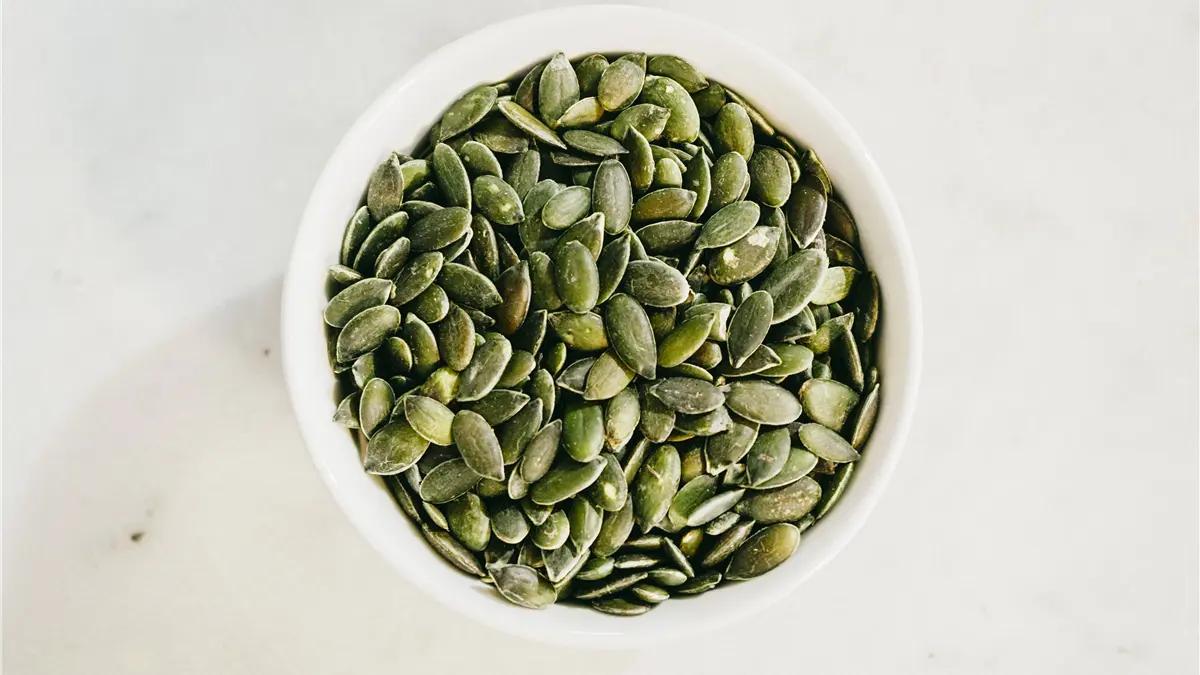
Beta-sitosterol occurs naturally in a variety of plant foods, though at much lower concentrations than in concentrated supplements. Pumpkin seeds are one of the richest common sources, along with wheat germ, soybeans, corn and other vegetable oils, and peanuts and other nuts.
- Pumpkin seeds: one of the richest common dietary sources
- Wheat germ
- Soybeans and soy products
- Corn oil and other vegetable oils
- Peanuts and other nuts
- Saw palmetto berries themselves contain some beta-sitosterol, which may partly explain why individual saw palmetto studies sometimes show modest benefits despite the pooled Cochrane conclusion of no effect
For more on prostate-supportive eating generally, see our guide to foods that help or worsen BPH symptoms.
What's the Right Dosage, and Is It Safe?
Trials showing benefit generally used 60-130 mg per day, typically split into two or three doses taken with meals. Beta-sitosterol was generally well tolerated in these studies, with mild digestive symptoms (upset stomach, gas) being the most commonly reported side effect.
Two safety notes worth knowing:
- People with sitosterolemia, a rare inherited condition where the body can't properly clear plant sterols, should avoid beta-sitosterol supplements entirely
- Long-term safety data (beyond about a year) is limited, since most trials were relatively short
What's the Bottom Line?
Among natural BPH ingredients, beta-sitosterol has one of the more favorable evidence profiles: real, Cochrane-reviewed improvement in symptoms and flow, even if the trials are imperfect. It's not a substitute for prescription medication in moderate-to-severe BPH, and it won't shrink an enlarged prostate. For mild symptoms, or as a discussion point with your doctor about additional options, it's one of the few natural ingredients where the evidence genuinely supports trying it. If you're deciding between a single ingredient like this and a multi-ingredient formula, our ingredient-by-ingredient review of a leading combination supplement shows how the two approaches compare.
When Should You See a Doctor?
Beta-sitosterol, or any supplement, shouldn't replace a proper diagnosis. See a doctor before starting one if you haven't been formally diagnosed with BPH, if your symptoms are moderate to severe, or if you take cholesterol medication, since plant sterols can interact with cholesterol absorption.
- You haven't been formally diagnosed with BPH and are self-treating urinary symptoms
- Your symptoms are moderate to severe (frequent urgency, weak stream, incomplete emptying)
- You take cholesterol medication, since plant sterols can interact with cholesterol absorption
Frequently asked questions
Does beta-sitosterol actually work for BPH?
The evidence is more positive than for most prostate supplements. A Cochrane review of controlled trials found beta-sitosterol improved urinary symptom scores and flow measures compared to placebo. However, the trials were small and short (usually under 6 months), and beta-sitosterol does not appear to shrink the prostate itself.
Is beta-sitosterol better than saw palmetto?
Based on Cochrane review findings, beta-sitosterol has shown more consistent symptom improvement in trials than saw palmetto, which a 2023 Cochrane review found no better than placebo. That said, beta-sitosterol's trials are also limited in size and duration, so "better evidence" doesn't mean "proven", just more favorable than the alternative.
What foods are naturally high in beta-sitosterol?
Pumpkin seeds, wheat germ, soybeans, corn oil, and various nuts and seeds are natural sources of beta-sitosterol. Saw palmetto berries themselves also contain some beta-sitosterol, which may be part of why saw palmetto shows modest effects in some individual (non-Cochrane-pooled) studies despite the overall Cochrane conclusion.
Is beta-sitosterol safe to take long-term?
Short-term studies (up to about 6 months) show it's generally well tolerated, with mild digestive side effects being the most common complaint. Long-term safety data is limited since most trials are short. People with a rare genetic condition called sitosterolemia should avoid it, as their bodies can't properly clear plant sterols.
What dose of beta-sitosterol was used in the studies that showed benefit?
Trials reviewed by Cochrane generally used doses in the range of 60-130 mg per day, divided into two or three doses. Commercial supplements vary widely in their actual beta-sitosterol content, so checking the label against these study doses is worthwhile before assuming a product matches what was tested.

Elizabeth Miller
Elizabeth founded The Prostate Post after watching her husband deal quietly with prostate and urinary symptoms for a long time before he was willing to try anything for it. She personally researches every ingredient and study cited on this site, checking marketing claims against the primary literature. She is not a doctor; nothing here replaces medical advice.
Sources
- Cochrane Library: Wilt TJ et al. "Beta-sitosterols for Benign Prostatic Hyperplasia" (1999)
- Mayo Clinic: "Benign Prostatic Hyperplasia (BPH): Diagnosis and Treatment"
- American Urological Association: "Management of Lower Urinary Tract Symptoms Attributed to BPH: AUA Guideline" (2026)
- Urology Care Foundation: "Benign Prostatic Hyperplasia (BPH)"
Medical disclaimer: The Prostate Post is an independent publication. Our content is for informational purposes only and is not medical advice, diagnosis, or treatment. Always talk to your doctor before starting any supplement, especially if you take other medications. Statements about dietary supplements have not been evaluated by the Food and Drug Administration; supplements are not intended to diagnose, treat, cure, or prevent any disease.