A 2024 systematic review pooling six randomized trials and over 1,200 men found modest, consistent improvement in BPH symptoms, though nettle root doesn't have its own Cochrane review yet. The largest single trial, 558 men over six months, showed a real gap versus placebo. It's usually sold blended with other ingredients rather than tested alone.
Nettle root at a glance:
| Question | Short answer |
|---|---|
| Evidence level | Modest, consistent; no dedicated Cochrane review yet |
| Trial base | 6 RCTs, 1,210 men (2024 systematic review) |
| Largest single trial | 558 men, 6 months: 81% improved vs. 16% on placebo |
| Typical dose | 300–600 mg/day of root extract |
| Common side effects | Mild digestive upset; rare allergic skin reaction |
| Interacts with | Lithium, blood pressure medication, diuretics |
| In ProstaVive? | Yes |
What Is Nettle Root?
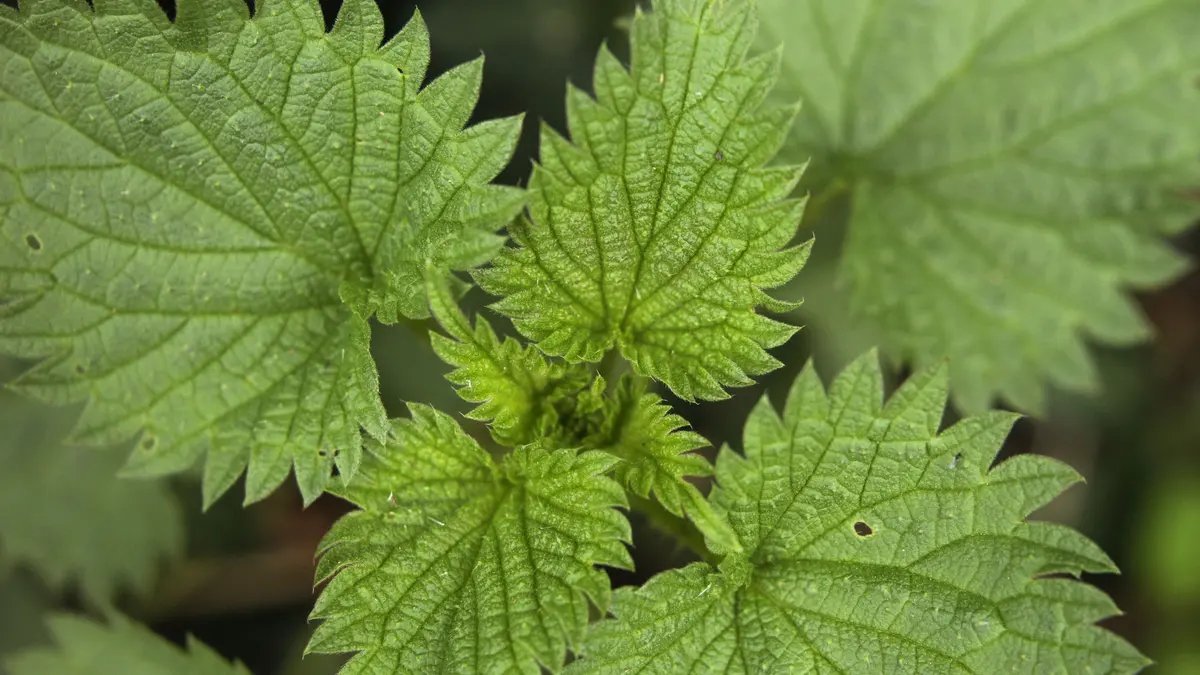
Nettle root comes from the stinging nettle plant (Urtica dioica), the same plant whose leaves can irritate skin on contact. The root, not the leaf, is the part used for prostate and urinary symptoms, typically dried and processed into an extract. It's one of the most common ingredients in European BPH formulas and shows up in many U.S. prostate supplement blends, often alongside saw palmetto or beta-sitosterol.
Does Nettle Root Actually Work for BPH?
The best current evidence is a 2024 systematic review that searched trial registries (including the Cochrane Central Register) through February 2024 and pooled six randomized, controlled trials totaling 1,210 men. Its conclusion was cautiously optimistic: nettle root showed real, if modest, improvement in BPH symptom scores compared to placebo, though the authors said larger, more rigorous trials would help settle remaining uncertainty.
The single largest trial behind that pooled evidence, led by Safarinejad and published in 2005, followed 620 men (558 completed the full six months) in a randomized, placebo-controlled design. At six months, 81% of the nettle root group reported improved urinary symptoms compared to 16% on placebo, a wide gap for a natural ingredient. A separate 12-month German trial using a 459 mg daily dose found IPSS symptom scores dropped from 18.7 to 13.0 in the nettle group versus 18.5 to 13.8 with placebo, a smaller but statistically significant difference. Neither trial found that nettle root shrinks the prostate itself.
How Does Nettle Root Work?
The mechanism isn't fully settled, but a few pathways look most likely. Compounds in the root, including lignans, appear to bind to sex hormone-binding globulin (SHBG) and interfere with its activity in prostate tissue. The root also seems to inhibit aromatase, an enzyme that converts testosterone into estrogen, which may play a role in prostate growth. Separately, extracts have shown anti-inflammatory activity in lab studies. None of these mechanisms is proven as the definitive explanation; it's likely some combination of the three.
Should You Take Nettle Root Alone or in a Combination Formula?
Here's a detail worth knowing before buying: most of the strongest clinical evidence, including the 558-man trial and the 12-month German trial, tested nettle root by itself against placebo, not blended with other ingredients. On supplement shelves, though, nettle root is almost always sold combined with saw palmetto, beta-sitosterol, or both, as part of a larger formula (nettle root is one of the ingredients in ProstaVive, for example). That's not necessarily a problem, but it does mean you can't assume a blended product will replicate the exact results seen in nettle-only trials, since some of a blend's effect could come from other ingredients, or from ingredients working together in ways single-ingredient trials can't capture.
See our evidence-first ranking of prostate supplement ingredients for how nettle root compares to beta-sitosterol, pygeum, zinc, and the rest.
What's the Right Dosage, and Is It Safe?
Doses used in trials showing benefit generally fall in the 300-600 mg per day range, though the specific studies varied: a 6-month trial used a 360 mg aqueous extract, the 12-month German trial used 459 mg, and shorter trials of a methanol extract used 600-1,200 mg over just 6-9 weeks. Commercial products differ in extraction method and concentration, so a label's milligram count isn't automatically comparable to a study dose.
Nettle root was generally well tolerated across trials, with mild digestive upset and, less commonly, allergic skin reactions as the most reported side effects. A few interactions are worth flagging with your doctor before starting:
- It may reduce how efficiently the body clears lithium, which can raise lithium levels in people taking that medication
- It may add to the effect of blood pressure medications, since nettle root itself has a mild blood-pressure-lowering effect in some studies
- It has a mild diuretic effect, which could compound dehydration risk if combined with other diuretics
What's the Bottom Line?
Nettle root has a genuinely encouraging evidence base for a natural BPH ingredient: a large well-designed trial, a supportive systematic review, and a plausible set of mechanisms. It falls short of beta-sitosterol's Cochrane-reviewed status mostly because no Cochrane group has taken it on yet, not because the trials themselves look weak. The honest caveat is that most people buy it in a blend, not alone, so the exact results from the research don't automatically transfer to whatever bottle is on the shelf. If you're comparing standalone nettle root to a combination formula, our full review of one leading multi-ingredient supplement breaks down how each ingredient, including this one, holds up.
When Should You See a Doctor?
Nettle root, or any supplement, shouldn't replace a proper diagnosis. See a doctor before starting one if any of the following apply:
- You haven't been formally diagnosed with BPH and are self-treating urinary symptoms
- Your symptoms are moderate to severe (frequent urgency, weak stream, incomplete emptying)
- You take lithium, blood pressure medication, or diuretics, given the interactions noted above
- You're being monitored with regular PSA tests, since supplements that shift PSA readings are worth disclosing beforehand
Frequently asked questions
Does nettle root actually work for BPH?
A 2024 systematic review pooling six randomized trials and over 1,200 men found nettle root modestly improved BPH symptom scores versus placebo. In the largest single trial, 81% of the nettle group improved compared to 16% on placebo over six months. It's promising but not yet backed by a dedicated Cochrane review the way beta-sitosterol is.
How much nettle root should I take for prostate health?
Trials showing benefit generally used 300-600 mg of root extract per day, though doses ranged from 360 mg over 6 months to 459 mg over 12 months in different studies. Commercial products vary widely in concentration, so checking the label against the extract type and dose used in research is worth doing.
Is nettle root safe to take with other medications?
Nettle root has a few interactions worth knowing about: it may reduce how quickly the body clears lithium, raising lithium levels; it may add to the blood-pressure-lowering effect of BP medications; and its mild diuretic effect can add to dehydration risk when combined with other diuretics. Mild digestive upset and, rarely, allergic skin reactions are the most common side effects reported in trials.
Should I take nettle root alone or in a combination formula?
Most of the strongest clinical trials, including the largest one on 558 men, tested nettle root alone against placebo, not blended with other ingredients. On store shelves, though, it's most often sold combined with saw palmetto or beta-sitosterol, which makes it harder to know how much of a blend's effect is specifically coming from the nettle root.
Does nettle root lower PSA levels?
Some meta-analysis data suggests a slight PSA reduction in men taking nettle root, though the effect appears small. If you're being monitored for prostate cancer risk with regular PSA tests, mention any nettle root or supplement use to your doctor beforehand, since anything that shifts your PSA number could affect how that trend is interpreted.

Elizabeth Miller
Elizabeth founded The Prostate Post after watching her husband deal quietly with prostate and urinary symptoms for a long time before he was willing to try anything for it. She personally researches every ingredient and study cited on this site, checking marketing claims against the primary literature. She is not a doctor. Nothing here replaces medical advice.
Sources
- ScienceDirect: "Urtica dioica for Benign Prostatic Hyperplasia", systematic review, 6 RCTs / 1,210 patients (2024/2025)
- Journal of Herbal Pharmacotherapy: Safarinejad MR. "Urtica dioica for Treatment of Benign Prostatic Hyperplasia: A Prospective, Randomized, Double-Blind, Placebo-Controlled, Crossover Study" (2005)
- PubMed: Schneider T, Rübben H. "Stinging Nettle Root Extract (Bazoton-uno) in Long-Term Treatment of Benign Prostatic Syndrome", 12-month multicenter trial (2004)
- NIH Bookshelf (LiverTox): "Stinging Nettle", safety and interaction profile
- NIH/National Center for Complementary and Integrative Health: "Benign Prostatic Hyperplasia and Complementary and Integrative Approaches: What the Science Says"
- American Urological Association: "Management of Lower Urinary Tract Symptoms Attributed to BPH: AUA Guideline" (2026)
- Mayo Clinic: "Benign Prostatic Hyperplasia (BPH): Diagnosis and Treatment"
Medical disclaimer: The Prostate Post is an independent publication. Our content is for informational purposes only and is not medical advice, diagnosis, or treatment. Always talk to your doctor before starting any supplement, especially if you take other medications. Statements about dietary supplements have not been evaluated by the Food and Drug Administration; supplements are not intended to diagnose, treat, cure, or prevent any disease.