A PSA test is a simple blood draw with no fasting required. Avoid ejaculation and vigorous exercise for 48 hours beforehand, since both can temporarily raise your reading. The draw itself takes minutes, results typically arrive within a week, and Medicare covers the test at no cost for men 50 and older.
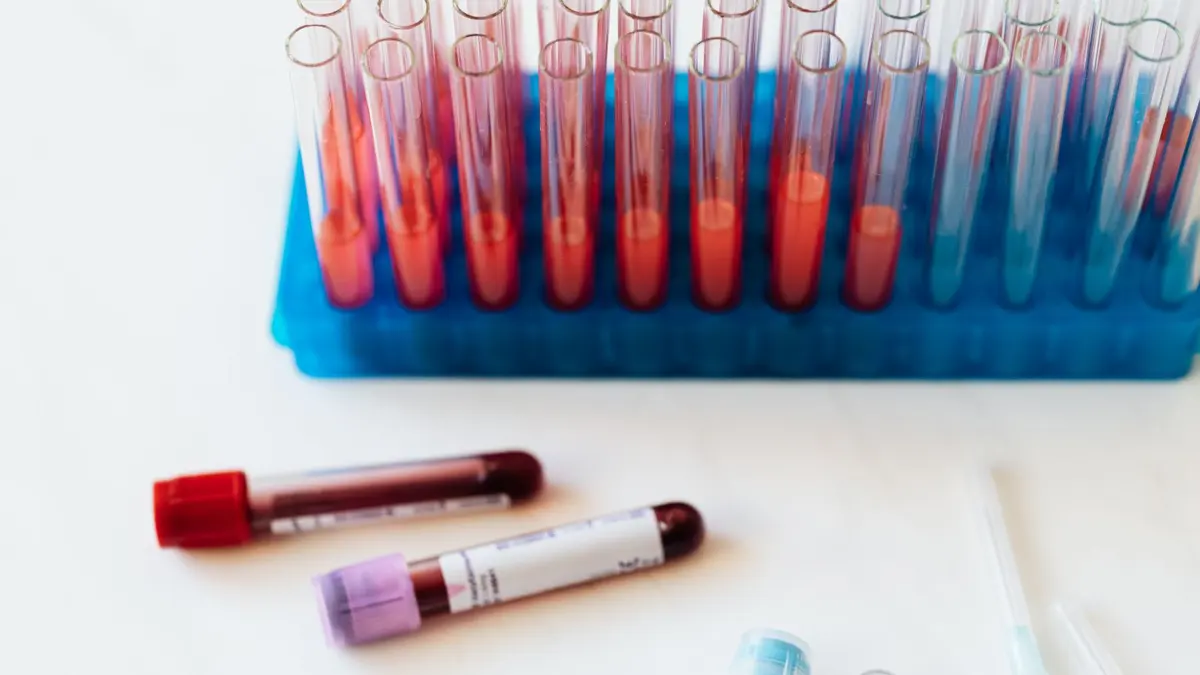
PSA test at a glance:
| Question | Short answer |
|---|---|
| What it measures | PSA, a protein made by prostate cells, in a blood sample |
| Fasting required? | No |
| Prep needed | Avoid ejaculation and vigorous exercise for 48 hours before |
| Time for the draw | A few minutes |
| Results turnaround | Typically within about a week |
| Cost with Medicare | $0 for the PSA test (men 50+, once every 12 months) |
| Often paired with | A digital rectal exam (DRE) at the same visit |
What Is a PSA Test, and What Does It Measure?
A PSA test is a blood test that measures the level of prostate-specific antigen, a protein made by both normal and cancerous prostate cells, according to the National Cancer Institute. It's not a cancer test by itself; it's one data point about prostate activity that your doctor weighs alongside your age, symptoms, family history, and (often) a physical exam.
For what the actual number means and how "normal" ranges shift with age, see our separate guide to PSA levels by age. This article covers the test itself: how to prepare, what happens at the appointment, and what comes after.
How Do You Prepare for a PSA Test?
Avoid ejaculation and vigorous exercise, like cycling, for about 48 hours before your test. Both can temporarily raise your PSA reading, according to the National Cancer Institute. No fasting is needed, and there's no special diet to follow.
A few other things can also inflate PSA for longer than two days, so mention them to whoever orders your test:
- A recent prostate infection or inflammation (prostatitis): can raise PSA for a month or two
- A recent prostate biopsy: same timeline, a month or two to settle
- A urinary catheter or recent urinary procedure: can irritate the prostate and temporarily raise PSA
- An active urinary tract infection: worth treating first if possible, then retesting
If any of these apply to you recently, ask your doctor whether it makes sense to reschedule rather than test through it: an inflated result you didn't need to have can trigger workup you didn't need either.

What Happens During the Blood Draw?
It's a routine blood draw, the same as any other bloodwork. A phlebotomist cleans a small area of your arm, inserts a thin needle into a vein, and fills one or two small tubes. Most men feel a brief pinch and nothing more; the whole process usually takes just a few minutes, and you don't need anyone to drive you home afterward.
Afterward, you might notice mild soreness or a small bruise at the needle site for a day or so. You can resume normal activity immediately; there's no recovery time built into a PSA test itself.
Does a PSA Test Come With a Digital Rectal Exam?
Often, but not always: practices vary by doctor and by visit. A digital rectal exam (DRE) is a separate, brief physical check where a doctor feels the prostate through the rectal wall for size, texture, and any hard or irregular areas; it takes about ten seconds and is done alongside, not instead of, the blood draw.
Medicare covers both once every 12 months for men 50 and older, but the coverage isn't identical: the PSA blood test itself costs you nothing, while the DRE is billed as a doctor's visit, so you typically owe your usual Part B coinsurance (20% after your deductible) for that portion. If a DRE isn't offered at your visit, it's reasonable to ask whether one is recommended for you.
How Long Does It Take to Get PSA Test Results?
Most labs return PSA results within a few days to about a week, often sooner if your clinic uses an in-house lab or an online patient portal. Ask at the time of your draw how you'll be notified, whether by portal message, phone call, or a follow-up appointment, so you're not left guessing.
What Does a PSA Test Cost, and Is It Covered?
For men 50 and older on Medicare, the PSA blood test itself is fully covered once every 12 months, at no out-of-pocket cost. A same-visit DRE carries its own standard Part B coinsurance. If you're under 65 or use private insurance, coverage for prostate cancer screening varies by state and plan, so it's worth a quick call to your insurer before booking.
Without insurance, the test alone is commonly priced in the range of roughly $40 to $100 or more depending on the lab and where you live, though prices aren't standardized, so ask for a cash-pay quote up front if you're paying out of pocket.

How Often Should You Get a PSA Test?
There's no single schedule that applies to every man, and the two main U.S. guidelines don't say exactly the same thing. Both treat PSA screening as a decision to make with your doctor. Here is what each one says:
- American Urological Association (AUA, 2023, amended 2026): regular screening every 2-4 years at ages 50-69, with an optional baseline PSA test at ages 45-50. For men at higher risk (Black men, men with a strong family history, or inherited gene mutations), the AUA recommends offering screening from ages 40-45.
- U.S. Preventive Services Task Force (USPSTF, 2018; update in progress): at ages 55-69, an individual decision made with your doctor after weighing benefits and harms; at 70 and older, it recommends against routine screening.
- After 69: the AUA says the interval can be personalized, or screening can stop, based on your preference, age, PSA level, risk, life expectancy, and overall health.
Your doctor may also adjust the interval based on your PSA level and risk, for example testing sooner if a previous result was borderline or trending upward. For the full breakdown of reference ranges by decade, see our PSA levels by age guide.
What Happens If Your PSA Comes Back High?
A single high number doesn't mean cancer; it means more information is needed. Doctors typically repeat the test, sometimes after treating a suspected infection, and may check your "free PSA" percentage alongside a digital rectal exam before deciding whether imaging or a biopsy makes sense. For the full stepped process and what elevated actually means at your age, see our guide to PSA levels by age and our comparison of BPH, prostatitis, and prostate cancer, since both commonly raise PSA without any cancer being present.
When Should You See a Doctor?
Talk to a doctor if any of the following apply, rather than waiting for your next scheduled physical:
- You're 40+ and haven't yet discussed PSA screening with a doctor
- You have a family history of prostate cancer
- You take a supplement that can shift PSA readings, like nettle root or zinc, and want to know whether to mention it before testing
- A recent PSA result came back elevated and you're unsure what happens next
- You have new urinary symptoms alongside an upcoming or recent PSA test
Frequently asked questions
Do I need to fast before a PSA test?
No. A PSA test is a standard blood draw with no fasting requirement, so you can eat and drink normally beforehand. The main preparation that actually matters is avoiding ejaculation and vigorous exercise for about 48 hours before the test, since both can temporarily raise your PSA level.
What should I avoid before a PSA test?
The National Cancer Institute advises avoiding ejaculation and vigorous exercise, such as cycling, for two days before testing, since both can temporarily raise PSA. A recent prostate biopsy, urinary catheter, or a prostate infection can also elevate PSA for a month or two, so mention any of these to your doctor before scheduling.
Does a PSA test hurt?
Not meaningfully. A PSA test only requires a standard blood draw from a vein in your arm, the same as routine bloodwork, so most men feel a brief pinch at most. It does not involve the prostate directly, unlike a digital rectal exam, which is sometimes done at the same visit.
How much does a PSA test cost?
Medicare Part B covers one PSA blood test every 12 months at no cost to men 50 and older. Without insurance, the test itself commonly runs in the range of $40 to $100 or more depending on the lab, though prices vary; a same-visit digital rectal exam typically involves its own separate office-visit charge.
How often should I get a PSA test?
It depends on your age and risk, and the two main U.S. guidelines differ slightly. The AUA (2023, amended 2026) recommends screening every 2 to 4 years at ages 50-69, starting as early as 40-45 for higher-risk men. The USPSTF (2018) calls it an individual decision at 55-69. Your doctor can tailor the interval to you.

Elizabeth Miller
Elizabeth founded The Prostate Post after watching her husband deal quietly with prostate and urinary symptoms for a long time before he was willing to try anything for it. She personally researches every ingredient and study cited on this site, checking marketing claims against the primary literature. She is not a doctor; nothing here replaces medical advice.
Sources
- National Cancer Institute (NIH): "Prostate-Specific Antigen (PSA) Test" fact sheet
- Medicare.gov: "Prostate Cancer Screenings" coverage details
- U.S. Preventive Services Task Force: "Prostate Cancer: Screening" (2018 recommendation; update in progress)
- American Urological Association: "Early Detection of Prostate Cancer: AUA/SUO Guideline" (2023, amended 2026)
Medical disclaimer: The Prostate Post is an independent publication. Our content is for informational purposes only and is not medical advice, diagnosis, or treatment. Always talk to your doctor about whether and when to get a PSA test, and about interpreting your specific results. Statements about dietary supplements have not been evaluated by the Food and Drug Administration; supplements are not intended to diagnose, treat, cure, or prevent any disease.